We are not a bank. We move the money for your cross-border trade and follow it until it lands.
What you send is what your supplier receives, and what you sell is what you get paid.
With no surprises along the way.
Even countries with no banking route.
Until your money lands.

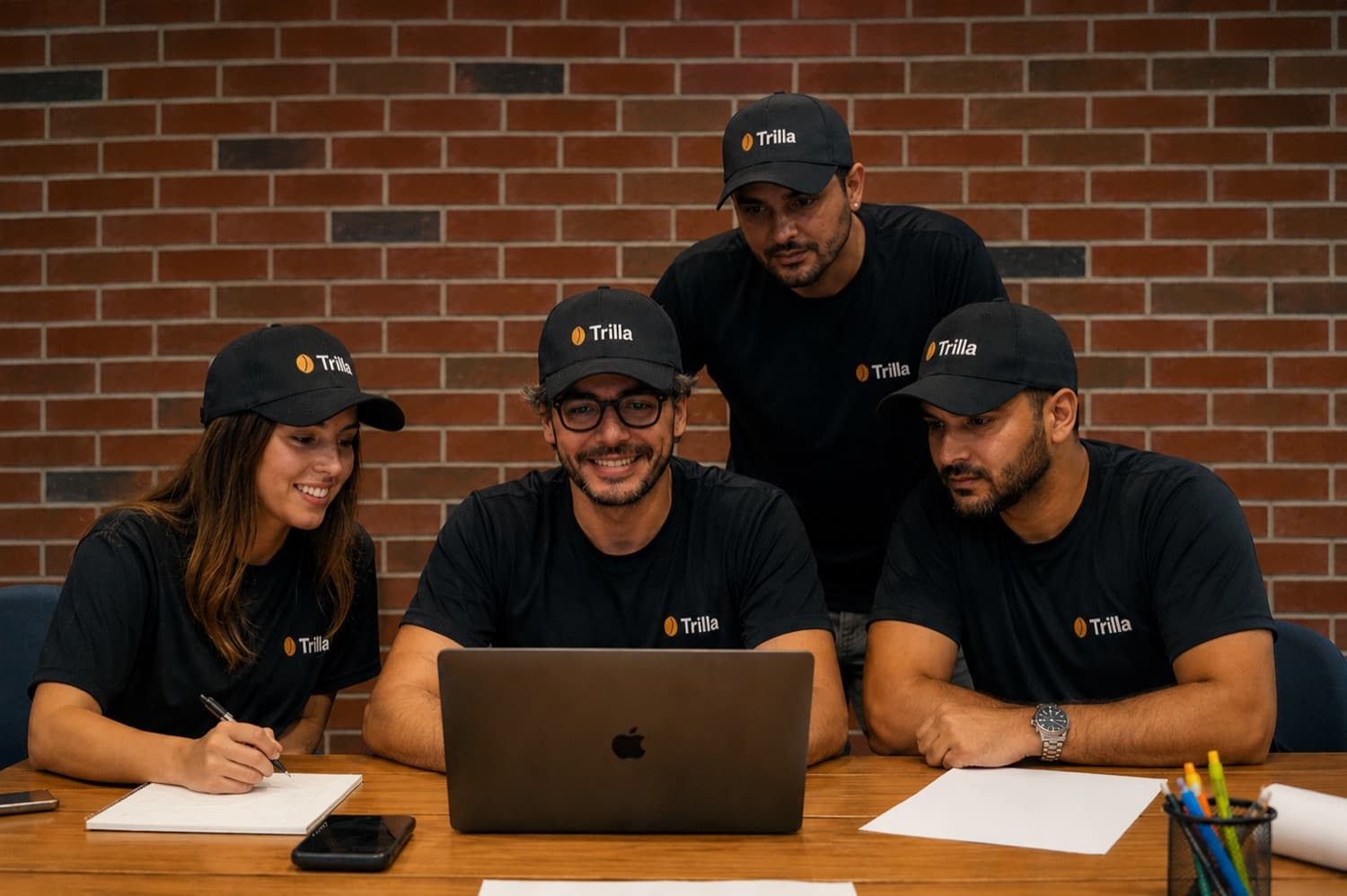
For food businesses that buy or sell across borders
Trilla is for your business if you buy or sell food across borders and move 25,000 dollars or more per deal. You pay your suppliers in their own country and currency, and your buyers pay you wherever they are, all from one account.
Food trade is one of the largest cross-border flows there is: food makes up 85 percent of all trade in food and agriculture, worth 1.9 trillion dollars a year, according to the Food and Agriculture Organization (FAO). We work in the corridors where that trade happens and where the other side sits: across emerging markets in Latin America, Africa, Asia and the Middle East, and the major trade hubs on the other side.
If yours is a personal transfer or a small amount, there are tools built for that which will serve you better. What we do is the trade side of your food business.
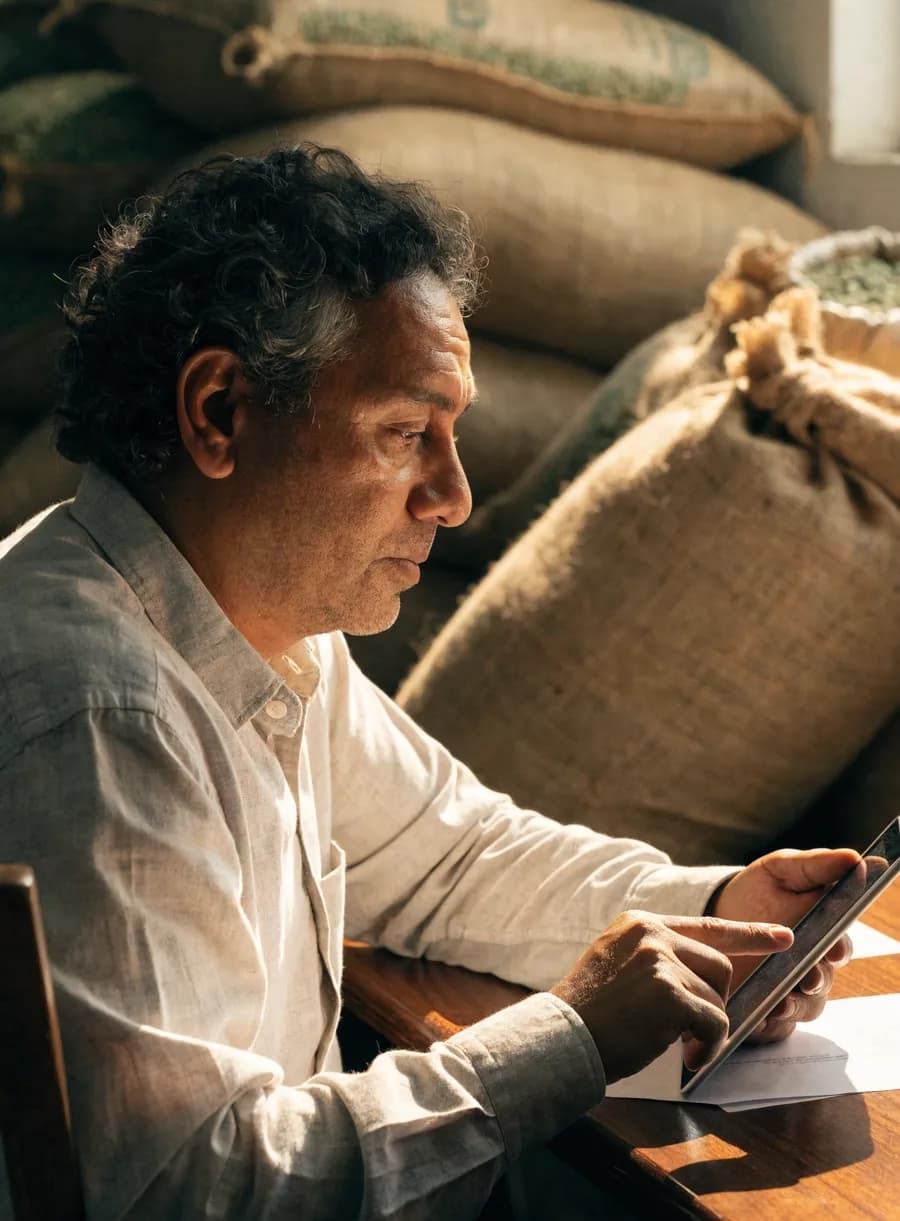
Why the bank doesn't solve this
When your buyer pays you from across the world, or when you have to pay a supplier in an emerging market, the bank becomes the problem. The payment takes days, and your container waits at the port until someone gets paid. The exchange rate is never made clear, and between fees and the conversion, part of your margin disappears along the way: for corridors into emerging markets, bank-to-bank transfers are the biggest driver of high costs, and the exchange rate markup alone can be half of what some corridors cost you, according to the International Monetary Fund (IMF).
And there is something worse than slow and costly: sometimes there is no route at all. It is not just your bank. The banks that used to connect these payments have been pulling back for over a decade, and Latin America was the hardest hit of any region, with a drop of as much as 30 percent, according to the Bank for International Settlements (BIS). The system is still slow, costly and hard to see into, and the global targets set to fix it by 2027 are unlikely to be met, the Financial Stability Board (FSB) reports. The bank cannot reach the country on the other side, and the deal stalls right there, with the goods ready and the money stuck.
For a food business, that is no small thing: it is the harvest sold on time or not, the shipment that leaves or stays put, the supplier who releases the cargo because the money came through. Money that does not move on time is product that spoils and a season that is lost.
The four ways your food business moves money across borders
Each one has its own page with the full details. These are cross-border B2B payments built for the food trade.
Trilla serves both sides of your trade
The side that pays and the side that gets paid. Depending on what you need, your path is one of these two.
Today a business payment abroad is slow and costly, and the worldwide effort to fix it is running behind: the system is unlikely to hit its 2027 targets, the Financial Stability Board (FSB) reports. Trilla moves yours along a direct route so your shipment doesn't wait. Same business day or up to 48 hours depending on the corridor.
How your money is protected
Your money is never Trilla's. As it travels from your account to its destination, it is protected and only passing through: it comes in, moves along a watched path, and goes out to your supplier or to you. At every step you know where it is, because you follow it the whole way until it arrives in full.
Both sides of the trade, in real corridors
Cross-border payments for the food industry, answered
What is the best way to make cross-border payments for a food business?
The best option is a specialist in food trade that moves the full payment, in one clear exchange, to your buyer's or supplier's country. Unlike cards or personal apps, Trilla is built for business deals where the amount and the destination matter.
What do I need to make cross-border payments with Trilla?
You need your food business, your account, and the details of who you pay or who pays you abroad. You don't need to source dollars yourself or open an account in another country: you pay and get paid from your own account.
What is the best way to get paid internationally?
The best way to get paid for your exports is for your buyer to pay from their country while you receive in your own account and currency, without opening accounts abroad. That way the payment for your shipment reaches you in full and on time for your season.
Which countries does Trilla reach?
Trilla works across emerging markets in Latin America, Africa, Asia and the Middle East, and the major trade hubs on the other side. You can see the corridors we cover, country by country, in the corridors section.
How much does it cost to make a cross-border payment with Trilla?
You pay one clear exchange, with no surprise fees buried along the way. Unlike a bank payment that passes through several middlemen, each taking a cut you never see, Trilla moves your money on one route and shows you the rate up front. When you open your account, we tell you exactly what your corridor costs before you move a single dollar.
What happens when you pay or get paid large amounts across borders?
When you move large amounts across borders, banks usually ask for more paperwork, take more time, and sometimes stall the deal altogether. The global trade finance gap stood at 2.5 trillion dollars in 2025, about 10 percent of all global trade, and it hits businesses in emerging markets hardest, according to the Asian Development Bank (ADB). With Trilla, moving 25,000 dollars or more per deal is everyday business: we ask for your deal details once, move the full payment, and you follow it step by step until it lands.
What is the simplest way to pay your supplier abroad?
The simplest way is to place the order from your account and let your supplier get paid in their country and their currency, without you sourcing dollars or opening an account abroad. Trilla moves the payment at one clear rate, and your supplier releases the cargo because the money came through.
Is my money safe with Trilla?
Your money is never Trilla's. It is protected and only passing through: it comes in for your payment, moves along a watched path, and goes out to your supplier or to you. You follow it the whole way until it lands in full, so you always know where it is.
How long does a cross-border payment take with Trilla?
A cross-border payment with Trilla moves much faster than going through the bank. The exact time depends on the corridor and the destination country: same business day or up to 48 hours depending on the corridor. When you open your account we tell you the time for your corridor, so your shipment doesn't wait on the payment.