What the bank doesn't give you
We're not another bank with a new name. We move the payment to your supplier faster, with one clear rate, and with people who know your business behind every order. You keep moving containers; we make sure the money is never the thing that holds you up.
Moving money for food businesses, corridor by corridor.
Including the ones the bank turns down.
Payments arrive complete, with one clear rate.
Reviews and stays with your order from start to finish.
This is what we pay for you
This page is for one thing: paying your overseas supplier, the one who sells you the goods. You put the money in from your local account, and we get it to your supplier in their currency, in full. We work orders from 25,000 dollars, and your supplier gets paid the same business day or within 48 hours, depending on the country the payment goes to.
The payment to your goods supplier, in their currency, from your own local account.
Corridors the bank avoids: if your supplier is in Asia, Africa, or the Middle East, there's a route.
One clear rate: you know what leaves and what lands before anything moves.
The freight, the cargo agent, the broker, or the commissions on your operation. We move those too, but on a different path: trade payments.
The duties and customs on your import. Those aren't paid to your supplier but to customs, and they go on their own path: duties and customs.
With the payment handled, your supplier releases the cargo and your import moves on, without a slow bank getting in the middle.
Why the best way to pay overseas suppliers isn't the bank
The deal is already closed. You have the supplier, you have the price, you have the goods ready to ship. And still, the payment is the part that gets stuck. These are the three walls a food importer runs into again and again.
It's slow, and the cargo won't wait
The bank takes weeks to move your payment, and your supplier won't let the container go until they see it land. When the bank can't fund or pay across a corridor, trade stalls: the World Economic Forum found that trade finance is one of the top three export obstacles for half of the world's countries, and the poorest most of all (World Economic Forum). Every day of delay is product that doesn't reach your warehouse.
The bank has no route to your supplier's country
Sometimes it isn't slow: there's simply no path. The banks that used to clear these payments have been pulling out of the harder markets. In Africa, commercial banks handled just 23 percent of the region's trade in recent years, down from 40 percent before the pandemic (African Development Bank). When your supplier sits in one of those countries, your own bank is often the one that says no.
Between fees and the rate, less arrives
The bank keeps a slice in fees and another in an exchange rate it never spells out. Your supplier gets less than you sent, and the difference comes out of your margin. With one clear rate you know the final number up front, so the money isn't a guess every time you buy.
Trilla was built for all three. We move the payment to your supplier on a route that reaches, in less time, with one clear rate, and without your margin getting eaten on the way. You clear the bottleneck and get to say yes to the next container.
When the bank is the wall, it usually shows up in one of these ways, and each gets its own page as we build them out: the payment racing against a stalled shipment that can't wait; the order the bank already turned down over the destination country; and the payment where the rate is fixed up front so nothing shifts before it lands.
What size of order Trilla is for
Trilla works orders from 25,000 dollars per payment. This isn't a service for small transfers: it's for the food business that moves containers, not parcels. Trade between developing countries has grown from about 500 billion dollars in 1995 to 6.8 trillion in 2025, more than a quarter of all world trade, according to UN Trade and Development (UNCTAD); behind every one of those shipments is a payment that has to cross. If your supplier payment is in that range, this is your route.
Your supplier gets paid the same business day or within 48 hours, depending on the corridor. On the larger corridors the money lands fast; on the emerging ones it can take a little longer. We tell you the timing for your route before anything moves, so you can commit your next shipment without guessing.
Two cases get their own page as we build them out — the supplier you pay month after month, set up to repeat without redoing everything, and the first order with a new supplier, worked so you don't overcommit on the first one.
From your account to your supplier, in four steps
You don't have to source dollars, open an account abroad, or understand anything technical. You give the instruction from your local account, and we handle the route.
Want the full detail of the process? See how Trilla works.
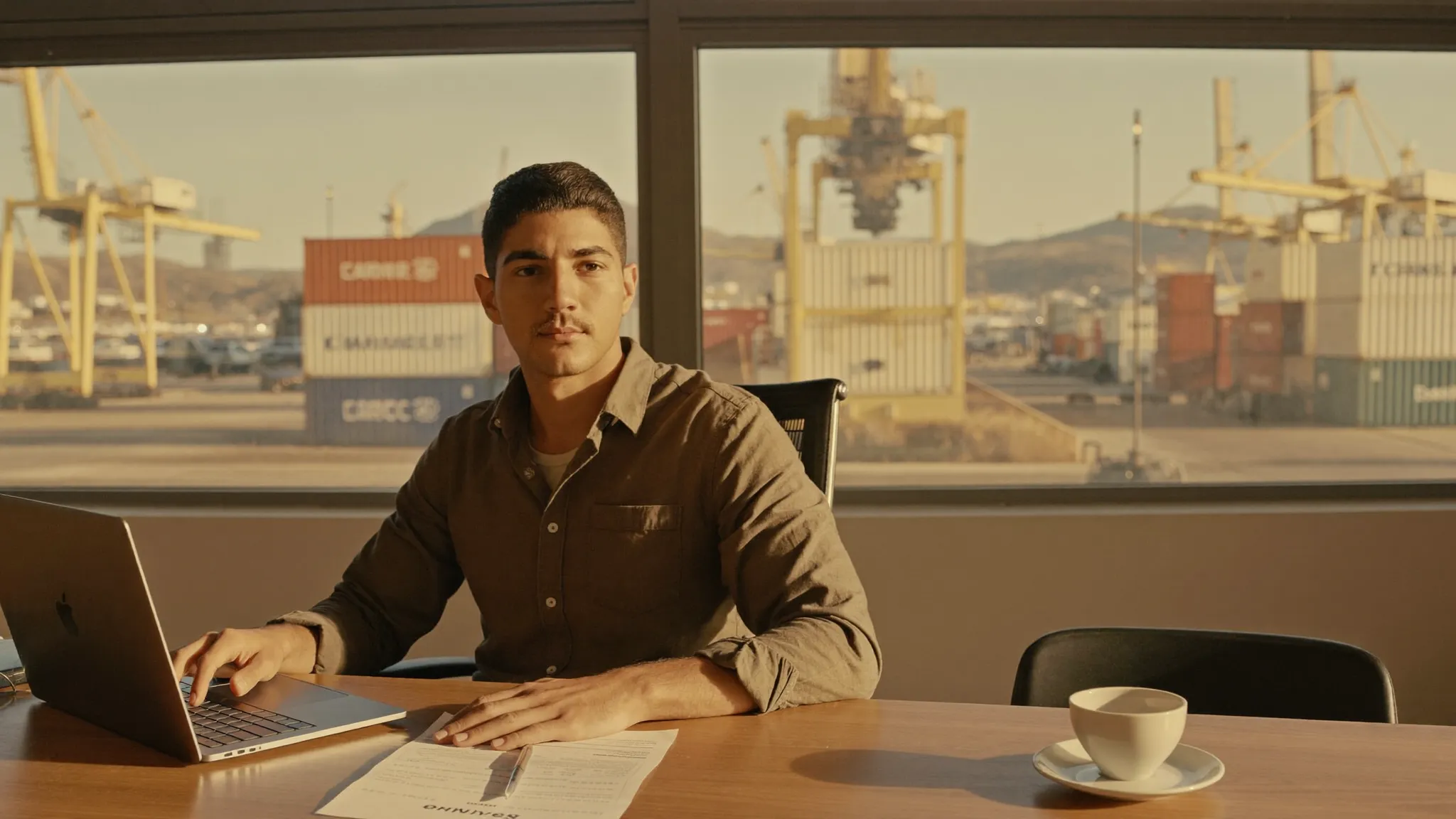
Why one payment doesn't cost the same as another
Not every payment is the same, and it's fair that you know before the money moves. Three things move the number:
Where it's going
Paying a supplier on a major corridor isn't the same as reaching one the bank doesn't even cover. Where there are fewer routes, the order takes more work.
What currency your supplier gets paid in
Some currencies land directly; others need one more step to reach your supplier's account. This is also where the bank quietly takes the most, in a rate it never spells out, which is why one clear rate changes the result so much. You pay your foreign suppliers in their own currency, and the number is set before anything moves.
How fast you need it
A payment racing against a stalled shipment is worked differently from one with time to spare.
Whatever your case, we give you the number clear and complete before we start. There's no fine print and no surprises halfway through, so you know what margin you're working with for your next purchase.
Where your money is while we make the payment
Trilla moves your money; it never holds it. When you give the instruction, your money comes in only to make that payment and goes straight out to your supplier. The whole time it's protected and apart from ours, it never mixes, and it travels a watched route from start to finish. And because you follow every step live, you're never left wondering where your payment is. That's the difference between your money being on its way along a safe route and your money sitting in limbo at a bank that won't pick up.
Where this payment works around the world
Your supplier can sit on almost any continent, and you can run your business from almost any of them. We organize the world by region so you can see where we move payments, corridor by corridor. Coverage is regional and grows in phases.
Latin America
A major source of coffee, sugar, grain, fruit, and meat for food businesses worldwide. When your supplier ships from here, the payment can run into exchange controls or a bank that doesn't reach the country, and the cargo waits on money that's stuck.
Countries shown as plain text; corridor pages open as each is built.
North America
A major buyer and, at the same time, a large source of grain and inputs. Paying a supplier in the United States or Canada should be simple, yet it's one of the corridors where the rate and the layers of banks quietly take the most.
Countries shown as plain text; corridor pages open as each is built.
Europe
Where much of the world's olive oil, dairy, and specialty food comes from, entering and leaving through a few large ports. The supplier ships, but the payment drags or gets turned down when the bank doesn't cover the route.
Countries shown as plain text; corridor pages open as each is built.
Asia
The fastest-growing source of inputs and product for food businesses everywhere. These are long corridors, where the bank connecting the two sides is slow or expensive, or your supplier asks for a route your bank doesn't run. We pay suppliers in China and across roughly ten destinations in the Asia-Pacific, among them India, Vietnam, the Philippines, and Indonesia.
Countries shown as plain text; corridor pages open as each is built.
Africa and the Middle East
The hard corridors: many have no bank connecting directly, and for several food businesses Trilla is the only route that lands. We cover around nineteen countries here, among them Nigeria, Kenya, Egypt, South Africa, Morocco, and the United Arab Emirates. If your supplier is here, it's where we're worth the most.
Countries shown as plain text; corridor pages open as each is built.
What other food businesses worked out
These are real orders we've moved for food businesses, shown as corridors. Not the operation itself, but what the importer got back to once the payment stopped being the problem.
The Spanish supplier wouldn't release the shipment until the payment was in full. The bank quoted a slower route with unclear costs. The order went out from the importer's local account and the supplier got paid in their currency, in time to lock in inventory before the high season.
The importer was supplying food-service chains and the Asian supplier wanted payment before holding space. The bank route gave no certainty on the final cost. Funds were confirmed and the payment went out without the money ever mixing with ours.
The importer had an approved supplier, but the corridor into Africa raised friction and questions at the bank. The order was checked, both sides confirmed, and the payment moved within a 48-hour window.
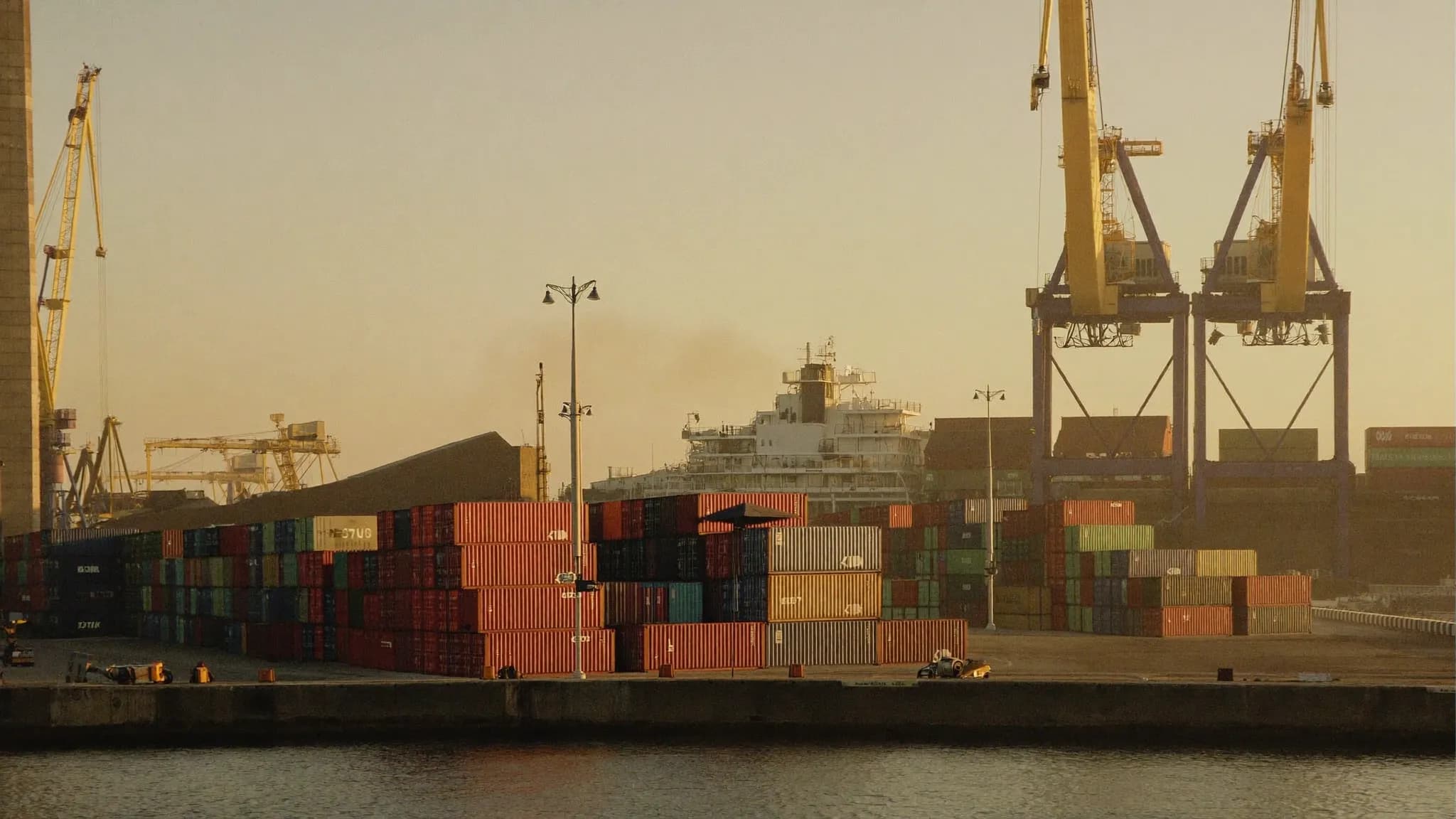
We pay the supplier of whatever you import
Every product has its season, its urgency, and its supplier on the other side of the world. Pay yours on time and keep your warehouse stocked, season after season:
Is your supplier in a hard country? We reach the corridors the bank doesn't cover. See the routes by country in the corridors hub.
If any of these sound like you, it's you
You import and the bank slows you down
You move containers of food or inputs and the payment to your supplier is always the slow part. With that part handled, you grow — more suppliers, more volume — without the money being the bottleneck.
Your supplier is where the bank doesn't reach
They sell from a country with no direct bank route, and until now every order was a fight. With Trilla as the route, you open up suppliers you wouldn't have considered before.
Your bank already said no
It turned the order down over the destination country and the goods were left hanging. With another path from your local account, you move your import again and deliver to your own customers.
Other paths your money takes
Paying your supplier is one part. If your operation has more moving parts, we cover those too:
What food importers ask us most
What's the best way to pay overseas suppliers in food trade?
The best way to pay overseas suppliers is from your local account, with one clear rate and your supplier paid in their own currency, on a route that reaches their country. You don't source dollars or open an account abroad; you give the instruction and follow the payment live until it lands in full.
How do I pay international suppliers if my bank is slow or won't move the payment?
You pay from your local account and we move it on a route that reaches, the same business day or within 48 hours depending on the corridor. When your bank has no path to the destination country, that's exactly where Trilla works.
How do I make a payment to a foreign company?
You open your account once, tell us how much and to whom, and we set one clear rate before anything moves. The foreign company gets paid in their currency, in full, and you see each step until it's confirmed.
Can I pay suppliers in China?
Yes. China is one of the corridors we run, and your supplier gets paid in their currency without you sourcing dollars or waiting on the bank to find a partner on the other side of the world.
What's the safest way to pay Chinese suppliers?
The safest way is a route where the money is watched the whole way and you follow every step live until your supplier is paid in full. Your money is never ours: it comes in only to make the payment and goes straight out, apart from our own the whole time.
Can I pay my foreign suppliers in their own currency?
Yes. You pay from your local account and your supplier gets paid in their currency, with one clear rate set before the money moves, so there are no surprises in what lands.
How much does it cost to pay a supplier abroad for a food business?
The cost depends on where it's going, what currency your supplier gets paid in, and how fast you need it. We give you one clear number before anything moves, with no fine print, so you know what leaves and what lands up front.
Why does the bank turn down some supplier payments?
Often the bank simply has no route to your supplier's country, or treats the corridor as too much trouble. The banks that used to clear these payments have pulled back from the harder markets, which is why a destination that should be simple gets a no.